

Owning a home in the nation’s capital can sound attractive and chic. Residents live in the cradle of politics and protest, amongst a host of national parks, and around scores of free museums and festivals.
Even within the boundaries of the D.C., Maryland and Virginia area— affectionately referred to as the DMV— being in close proximity to a major hub with several sports teams, universities and concert venues means access is rarely an issue. DMV living can also prove challenging because of these very things.
With ignored communities in homogeneous neighborhoods, coupled with transplants– people from outside of the area– rents and home prices are driving up, and residents who have called the area home for a lifetime or several generations are being driven out.
The effect of this is gentrification. The cause: miseducation of estate planning and understanding how to legally and effectively pass down a home to the intended family.
Another cause is misunderstanding that when a home is paid for, property taxes must still be paid–semiannually.
And there’s more: ensuring the home is properly insured, knowing whether or not a property is in a flood plain requiring additional protection, and realizing if the property is unkept, it could be condemned and eventually taken away by the government.
“Gentrification occurs when changes are inserted into a community with the goal of raising values and profits, rendering the neighborhood a physical and cultural blank slate for developers and new residents to shape,” writes Gabi Velasco, policy associate for Urban Institute. “As more affluent residents and businesses move in, gentrification makes longtime or legacy communities invisible.”
Because The Washington Informer is committed to ensuring the DMV’s Black residents are thriving throughout the entire process of homeownership, we created Our House D.C., a news platform dedicated to telling the stories that walk readers through the various steps of owning, keeping, and in some cases, losing a home.
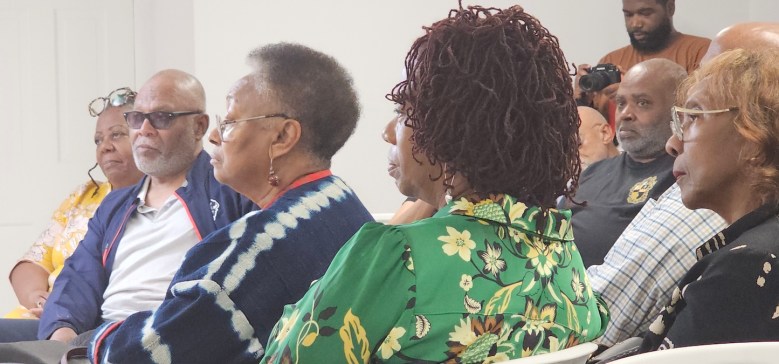
The Informer held a listening session on May 14, House & Home, in order to get a better understanding of what our readers are concerned about, where they get resources, and their overall homeownership journey. People from across the DMV– Reston, Virginia, Silver Spring, Takoma Park and Seat Pleasant Maryland, and several wards throughout the District, including Wards 7 and 8– came to The Washington Informer headquarters in Southeast D.C. to share their experiences and observations about living in the DMV.
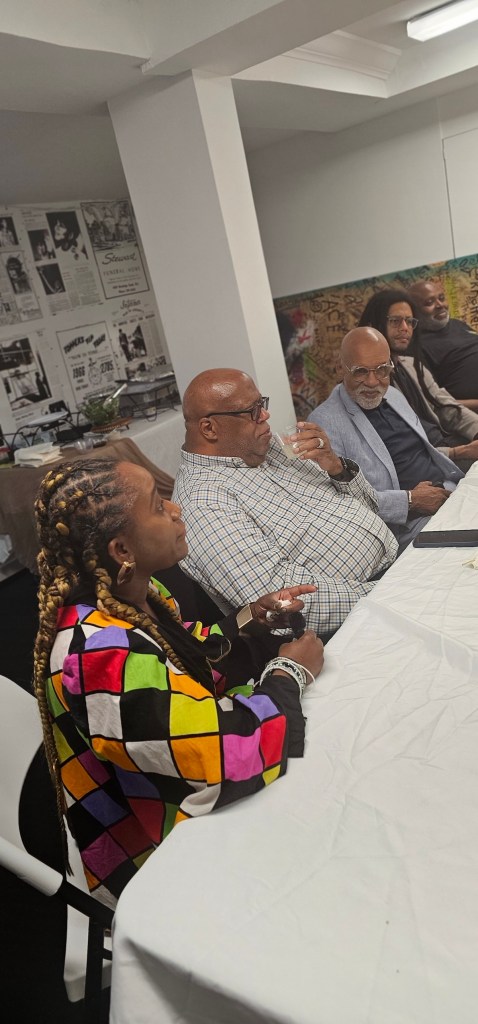
The event opened with an insightful conversation between Washington Informer Publisher Denise Rolark Barnes and Brookings Senior Fellow Dr. Andre Perry, discussing his new book “Black Power Scorecard.”
Then, Black millennials, Gen Xers and baby boomers representing various industries, including real estate, academia, law, athletics and hospitality, not only weighed in on local housing, but offered ideas for empowering Black communities in homeownership.
“Everybody said, why DC?,” said Margaret Kamara, a caterer and legal professional who grew up in Virginia and relocated to the District for an easier commute and sense of community. “I said, ‘well, it’s an investment.’ They’re still trying to understand it. But the reason why I stayed is because [neighbors] keep their porch light on. If my car is not parked there, someone’s calling me to say, ‘Hey, we haven’t seen your car in a couple of days.’”
Below are some of the topics of interest and concern local residents have about DMV housing.
Impact of Online Booking Companies on Rental, Housing Market
While companies like VRBO and Airbnb allow for homeowners to generate extra income by renting their home or a portion of their home to vacationers, several House & Home attendees expressed concern about the service.
The resource may, in fact, be putting long-term renters and homebuyers at a disadvantage, decreasing the number of properties to choose from for students, faculty and first-time homebuyers in search of affordable properties located in the DMV.
First-Time Homebuyers Competing With Investors for the Same Properties
A recurring challenge for homebuyers today is competing with other buyers on a limited supply. This is particularly a challenge when a buyer, especially an investor, is willing to produce cash on the spot for a quick transaction in order to flip the property.
“You then have an investor who steps up and says, ‘well, I’ll buy this property, all cash … as is,” said House & Home attendee Sheila Reid. “So the person who’s trying to buy doesn’t have a chance because they have to get financing and that takes like 30-45 days and inspections. What’s the seller going to do? They want to get their money.”
Heirs’ Rights
Less than 29% of the Black population have a will or estate planning document, according to Caring.com. As a result, Black families are more at stake to lose the family home or go through a lengthy probate process.
“If you have a situation where you have not planned what’s going to happen to this property after you’re gone, and you have five different children and they all have five different opinions, then the likelihood of that property staying in your family is not very great,” said Deborah Boddie, an estate planning lawyer who also attended House & Home. “That’s a big part of home ownership and a big part of wealth building and legacy planning.”
Succumbing to Cold Calls from Real Estate Flippers
Robo-calls, texts, and posted signs on corners from real estate flippers encouraging a quick sell are targeting many homeowners. The lure of a quick sell and cash offer sounds enticing to many, leading to the loss of generational homes and equity.
House & Home attendee Margaret Ansa Tyus said young people are often the target, not seeing the value in keeping the property in the family.
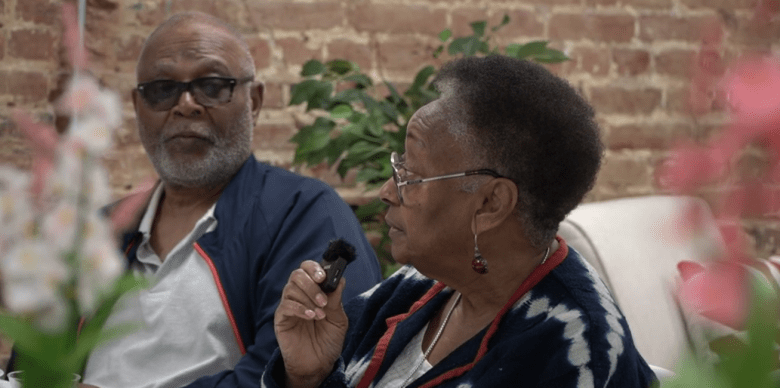
“You have a lot of developers coming in … they’re giving $200,000 [to purchase a home from an owner], they’ll put in $150,000 and sell it for $2 million or at least $1.5 million,” she said. “What is happening is that young people who get the $200,000 … move out to wherever, and then they lose the wealth that their grandmother has worked tirelessly [for] to own that property. Young people sometimes don’t see the value in keeping that property.”
Perry, director of the Center for Community Uplift at the Brookings Institution, focused the conversation around his newly released book, “The Black Power Scorecard: Measuring the Racial Gap and What We Can Do About it,” Perry explained the disparity between Black and white wealth, and how leveraging property with the equity it brings can help advance the Black community, close the gap and increase livelihood.
“Homes in Black neighborhoods are underpriced by about 23%, about $48,000 per home cumulatively with about a loss of $156 billion in equity,” Perry said. “Just to put that in perspective, $156 billion would finance more than 4 million Black-owned businesses, would pay for more than 8 million four-year degrees… It’s a big number.
The Brookings senior fellow offered a sense of hope and encouragement.
“There are pathways to wealth creation,” he declared.